Filter By

Price

Price

  • £8.00 - £13,943.00

Pack Size

Pack Size

List of products by brand Neogen®

With over 40 years of innovation, Neogen® stands at the forefront of food safety and quality assurance, trusted by manufacturers around the globe. Founded on a commitment to scientific excellence, Neogen has become a global leader in diagnostic solutions that protect the world’s food supply, from raw ingredients to finished goods.

In 2022, Neogen significantly expanded its capabilities through the acquisition of 3M’s Food Safety Division, integrating 3M’s world-renowned hygiene monitoring, allergen detection, and pathogen testing technologies into its portfolio. This strategic move reinforced Neogen’s mission to deliver comprehensive, science-driven tools that meet the evolving needs of food manufacturers, processors, and laboratories.

Today, Neogen offers one of the industry’s most advanced selections of food safety solutions—ranging from ATP hygiene monitoring systems and rapid microbial diagnostics to allergen test kits and environmental sampling tools—all designed to ensure compliance with BRCGS, ISO 22000, and global food safety standards.

In the UK, Neogen’s food safety products are available through Gem Scientific, an authorised distributor offering expert guidance, application support, and fast delivery to food manufacturing businesses nationwide.

What does Neogen specialise in?

Neogen produces food safety and quality testing kits, including allergen and pathogen detection.

What types of Neogen tests are available?
They offer allergen detection, microbial testing, and sanitation monitoring kits.

Are Neogen tests suitable for on-site use?
Yes, many kits are designed for rapid, on-site testing without lab equipment.

Which industries use Neogen products?
Commonly used in food manufacturing, agriculture, and environmental testing.

Active filters

Availability: Out of stock
  • Helps to reduce the risk of a food safety incident.
  • Detects as little as 50µg of protein on surfaces and in solution.
  • Tests for the presence of proteins to verify the effectiveness of cleaning.
  • A visual reading of a colour change indicates the presence of detectable levels of protein.
  • Fast results allow immediate corrective action.
  • Available in packs of 10, 25, 50 and 100 Swabs
  • *Free delivery only available to UK Mainland addresses
Availability: Out of stock
  • Requires the Neogen® LM1 Luminometer
  • Helps reduce the risk of cross-contamination due to poor cleaning
  • Superior repeatability and excellent sensitivity leading to better decisions for environmental hygiene control
  • 100 Swabs per box
  • Demonstrates due diligence
  • Helps protect your reputation
  • Available in packs of 10 or 100 swabs
  • *Free delivery only available to UK Mainland addresses
Malt Extract

£39.83 vat excl.

£47.80 vat Inc.

Availability: Out of stock
Malt Extract is a dehydrated extract of malt for use in preparing microbiological culture media in a laboratory setting. Malt Extract is not intended for use in the diagnosis of disease or other conditions in humans. Malt Extract is a clarified, water-soluble extract of malted barley. Malt Extract is a useful ingredient of culture media designed for the propagation of yeasts and molds. This ingredient is suitable for yeasts and molds because it contains a high concentration of carbohydrates, particularly maltose. The approximate percentage of reducing sugars in Malt Extract is 60 – 63%.The high carbohydrate content makes malt extract very sensitive to overheating which results in darkening of the medium it is used in. Malt Extract is generally employed in culture media at concentrations between 10 to 100 grams per liter. Malt Agar, a medium recommended for the detection and isolation of yeast and molds from dairy products, food, and as a stock culture, contains Malt Extract. Wort Agar, used for the cultivation and enumeration of yeasts, has Malt Extract as one of the main ingredients in the formula. Several media containing Malt Extract are specified in standard methods.

Skim Milk - Agglomerated NFDM - 500 g

£41.53 vat excl.

£49.84 vat Inc.

Availability: Out of stock
Skim Milk, Agglomerated NFDM is dehydrated skim milk for use in preparing microbiological culture media in a laboratory setting. Skim Milk, Agglomerated NFDM is not intended for use in the diagnosis of disease or other conditions in humans. Skim Milk, Agglomerated NFDM is soluble, spray-dried skim milk. When prepared in a 10% solution, it is equivalent to fresh skim milk. Skim Milk is added to enhance growth of Mycobacterium tuberculosis and Corynebacterium diphtheria in culture media. Skim Milk, Agglomerated NFDM is used for differentiating organisms based on coagulation and proteolysis of casein in foods and dairy products. Indicators of pH, Litmus and Bromocresol Purple, are used with Skim Milk, Agglomerated NFDM to determine acid production. Methylene Blue and Resazurin may be used with Skim Milk, Agglomerated NFDM as oxidation-reduction indicators.
Availability: Out of stock
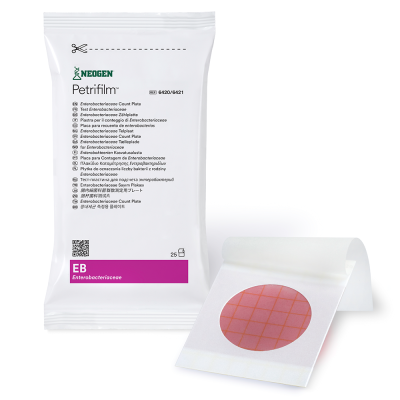
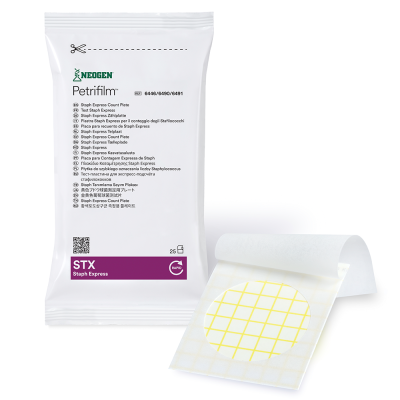
  • Confirmed Enterobacteriaceae results in 24 hours.
  • Plates are sample-ready, eliminating the time-consuming, cumbersome step of preparing media/agar dishes.
  • Can be used with the Neogen® Petrifilm Plate Reader for consistent, fast, automated reading and recording of results.
  • Companies worldwide trust 3M Petrifilm Plates to provide accurate, efficient, consistent results
  • *Free delivery only available to UK Mainland addresses
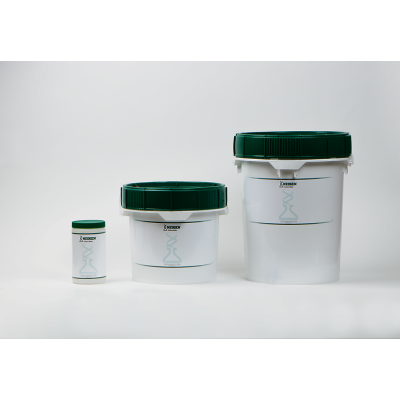
Gelatin - 500 g

£53.71 vat excl.

£64.45 vat Inc.

Availability: Out of stock
Gelatin is a protein source and solidifying agent for use in preparing microbiological culture media in a laboratory setting. Gelatin is not intended for use in the diagnosis of disease or other conditions in humans. Gelatin is a protein of uniform molecular constitution derived chiefly by the hydrolysis of collagen. Collagens are a class of albuminoids found abundantly in bones, skin, tendons, cartilage and similar animal tissues. Koch introduced gelatin into bacteriology when he invented the gelatin tube method in 1875 and the plate method in 1881. This innovation, a solid culture method, became the foundation for investigating bacterial growth. Gelatin-based media were soon replaced by media containing agar as the solidifying agent. Gelatin is used in culture media for determining gelatinolysis (elaboration of gelatinases) by bacteria. Several media containing gelatin are specified in standard methods for multiple applications.
Availability: Out of stock
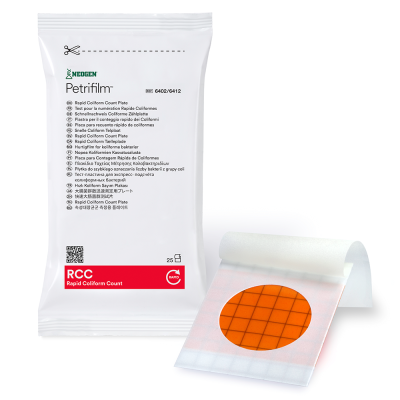
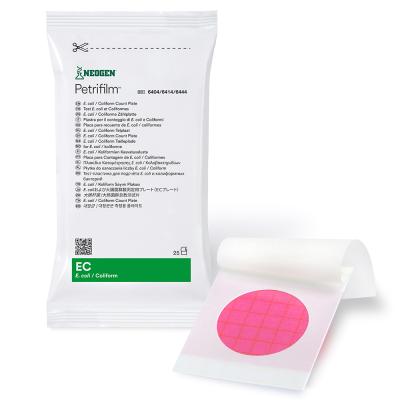
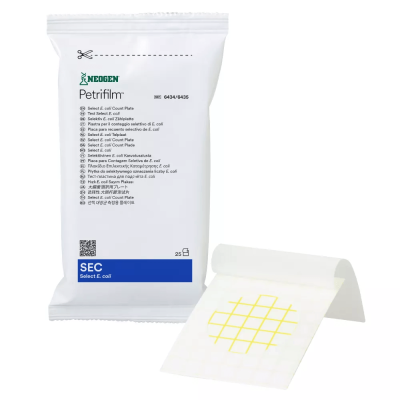
  • Confirmed coliform results in 24 hours.
  • Plates are sample-ready, eliminating the time-consuming, cumbersome step of preparing media/agar dishes.
  • Can be used with the Neogen® Petrifilm Plate Reader for consistent, fast, automated reading and recording of results.
  • Companies worldwide trust Neogen® Petrifilm Plates to provide accurate, efficient, consistent results.
  • *Free delivery only available to UK Mainland addresses
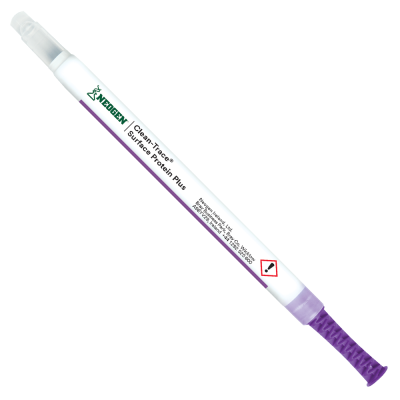
Availability: Out of stock
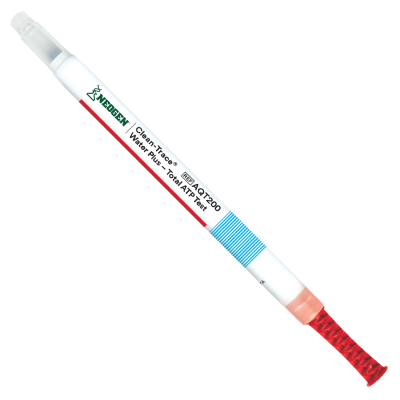
  • Requires the Neogen® LM1 Luminometer
  • Rapidly assess equipment sanitation process and the efficiency of Clean In Place (CIP) procedures
  • Provides more consistent and reliable results
  • Available in packs of 10 or 100 swabs
  • Simple to use - ideal for busy production environments
  • Provides the ability to track results using Neogen® Clean-Trace® Data Trending Software
  • Flexible storage options - room temperature for up to 2 months (21 - 25℃) or refrigerated for 12 months (2 - 8℃)
  • *Free delivery only available to UK Mainland addresses

Lactic Acid 10% (1mL) - 1 ml

£58.79 vat excl.

£70.55 vat Inc.

Availability: Out of stock
Lactic Acid 10% is for the isolation of Gram-Positive bacteria. Lactic Acid 10% is intended for use in culture media for the microbiological analysis of food, animal feed, water and environmental samples

Rappaport Vassiliadis R10 Broth - 500 g

£58.94 vat excl.

£70.73 vat Inc.

Availability: Out of stock
Rappaport Vassiliadis R10 Broth is used for the selective enrichment of Salmonella spp. from foods in a laboratory setting. Rappaport Vassiliadis R10 Broth is not intended for use in the diagnosis of disease or other conditions in humans. Rappaport et al formulated an enrichment medium for Salmonella spp. that was modified by Vassiliadis et al. The Rappaport formulation, designated R 25/37°C, recommended incubation at 37°C. The Vassiliadis modification, designated R 10/43°C, had a reduced level of Malachite Green and recommended incubation at 43°C. Peterz later showed that incubation at 41.5 ± 0.5°C for 24 hours improved recovery of Salmonella spp. Rappaport-Vassiliadis R10 Broth is a selective enrichment medium that is used following pre-enrichment of the specimen. It has gained approval for use in analyzing milk and milk products, raw flesh foods, highly contaminated foods, and animal feeds. This medium selectively enriches for Salmonella spp. because bacteria, including other intestinal bacteria, are typically susceptible to or inhibited by Malachite Green, high osmotic pressure and/or low pH. S. typhi and S. choleraesuis are sensitive to Malachite Green and may be inhibited.
Availability: Out of stock
Buffered Sodium Chloride-Peptone Broth pH 7.0 is the diluent specified by the Harmonized Pharmacopoeia for the microbiological examination of non-sterile products andconforms to Harmonized USP/EP/JP Requirements in a laboratory setting. Buffered Sodium Chloride-Peptone Broth pH 7.0 is not intended for use in the diagnosis of disease or other conditions in humans. Buffered Sodium Chloride-Peptone Broth pH 7.0 is recommended by the Harmonized Pharmacopoeia (USP/EP/JP) for the microbiological examination of non-sterile products. The low level of peptone lessens the physiological shock experienced by microorganism when suspended in a diluent. The dual phosphate components create a buffered environment and sodium chloride maintains the osmotic balance.
Availability: Out of stock
  • Utilises the convenience and efficiency of the Neogen® Petrifilm™ Plate platform.
  • Results within 24-48 hours.
  • Can be used with the Neogen® Petrifilm™ Plate Reader for consistent, fast, automated reading and recording of results.
  • This plate has been awarded Official Methods of Analysis OMA #991.14.for Food OMA #998.08 for Poultry, Meat and Sea Food
  • Food processors and Contract labs worldwide trust Petrifilm Plates to provide accurate, efficient, consistent results.
  • Available in packs of 500 Plates
  • *Free delivery only available to UK Mainland addresses
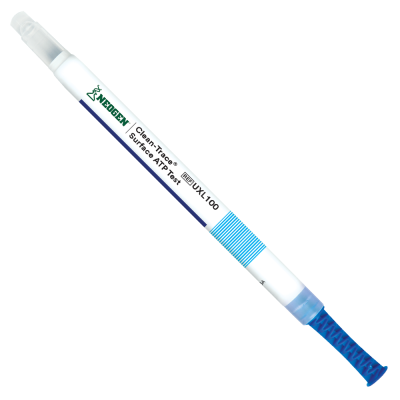
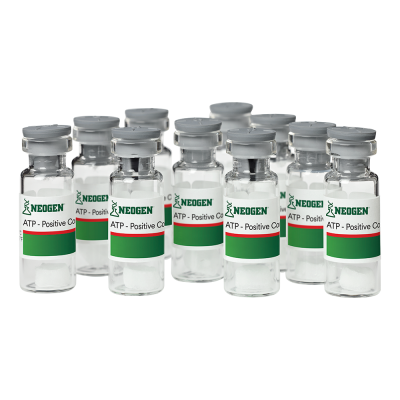
Clean-Trace(TM) Surface Positive Control

£68.92 vat excl.

£82.70 vat Inc.

Availability: Out of stock
  • Provides the user with an ideal and convenient method of assuring that all components used during testing are operating correctly.
  • Assures operator is using the correct method.
  • Demonstrates due diligence.
  • 10 per box
  • *Free delivery only available to UK Mainland addresses
Availability: Out of stock
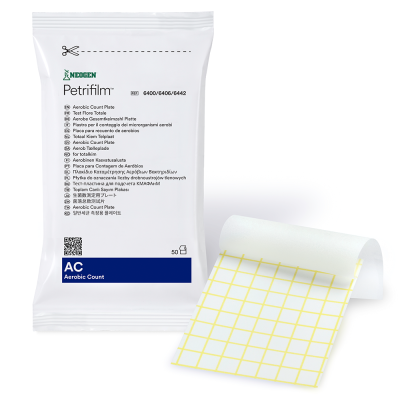
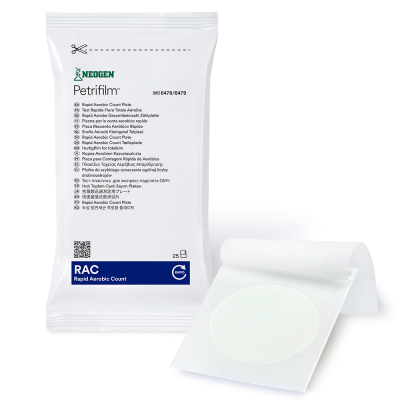
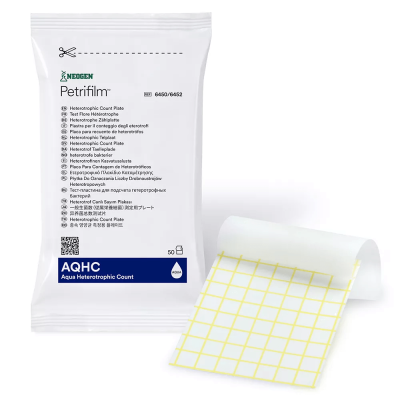
  • Aerobic Count results in 48 hours - 72hours.
  • Plates are sample-ready, eliminating the time-consuming, cumbersome step of preparing media/agar dishes.
  • Can be used with the Neogen® Petrifilm™ Plate Reader for consistent, fast, automated reading and recording of results.
  • Available in packs of 100 or 1000 Plates
  • *Free delivery only available to UK Mainland addresses
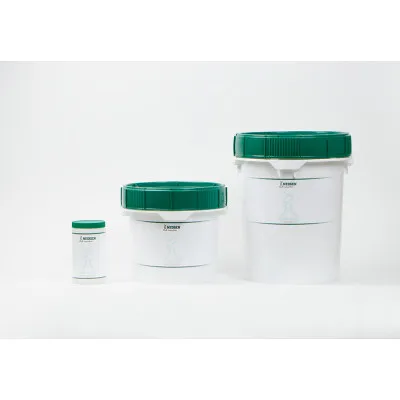
Pancreatic Digest of Gelatin - 500 g

£70.31 vat excl.

£84.37 vat Inc.

Availability: Out of stock
Pancreatic Digest of Gelatin is an enzymatic digest of gelatin for use in preparing microbiological culture media in a laboratory setting. Pancreatic Digest of Gelatin is not intended for use in the diagnosis of disease or other conditions in humans.Pancreatic Digest of Gelatin provides a complex nitrogen source and is used as a media ingredient for fermentation studies. Pancreatic Digest of Gelatin alone is used to support the growth of non-fastidious microorganisms. Pancreatic Digest of Gelatin is deficient in carbohydrates and distinguished by low cystine and tryptophan content.

YM Broth - 500 g

£71.21 vat excl.

£85.45 vat Inc.

Availability: Out of stock
YM Broth is used for the cultivation of fungi in a laboratory setting. YM Broth is not intended for use in the diagnosis of disease or other conditions in humans. YM Broth is prepared according to the formulation published by Wickerham. Wickerham suggested that YM Broth, acidified to pH 3.0 – 4.0, be used as an enrichment medium for yeasts from populations also containing bacteria and molds. To favor isolation of fermentative species, add a layer of sterile paraffin oil 1 cm deep on the surface of the inoculated broth. Cultures should be incubated until growth appears, and then streaked onto YM Agar to obtain isolated yeast colonies. To isolate fermentative and oxidative strains, place acidified inoculated YM Broth on a rotary shaker for 1 to 2 days. This favors yeast recovery while preventing sporulation of molds. Media selectivity may be enhanced through acidification or addition of selective agents. YM Broth may be acidified prior to sterilization.
Availability: Out of stock
Potato Dextrose Agar is used for the preparation and maintenance of fungal test strains used in the growth promotion test, suitability of the counting methods and negative controls as described in the Harmonized USP/EP/JP.

Agar - Technical - 500 g

£86.45 vat excl.

£103.74 vat Inc.

Availability: Out of stock

Agar, Technical is a solidifying agent for use in preparing microbiological culture media in a laboratory setting. Agar, Technical is not intended for use in the diagnosis of disease or other conditions in humans. Conforms to US Pharmacopeia (USP). Agar is a phycocolloid extracted from a group of red-purple algae, usually Gelidium spp. Agar was first suggested for microbiological purposes in 1881 by Fannie Hesse. By the early 1900’s, agar became the gelling agent of choice over gelatin because agar remains firm at growth temperatures for many pathogens and agar is generally resistant to a breakdown by bacterial enzymes. The use of agar in microbiological media significantly contributed to the advance of microbiology, paving the way to study pure cultures.

Agar is a gel at room temperature, remaining firm at temperatures as high as 65°C. Agar melts at approximately 85 - 91°C, a different temperature from solidification at 34 - 36°C. This property is known as hysteresis. Agar is generally resistant to shear forces; however, different agar may have different gel strengths or degrees of stiffness. Specifications for Agar, Technical include good clarity, controlled gelation temperature, controlled melting temperature, good diffusion characteristics, absence of toxic bacterial inhibitors, and relative absence of metabolically useful minerals and compounds. Agar, Technical is recommended as a general purpose agar for preparing microbiological culture media.

Availability: Out of stock
  • Provides results in 24 hours (excluding dairy powders) of incubation time.
  • Helps prevent costly retesting and delayed results often caused by spreader colonies.
  • Proven as reliable as the SMA plate method.
  • Plates are sample-ready, eliminating the time-consuming, cumbersome step of preparing media/agar dishes.
  • Can be used with the Petrifilm Plate Reader for consistent, fast, automated reading and recording of results.
  • Available in packs of 50 or 500 Plates
  • *Free delivery only available to UK Mainland addresses
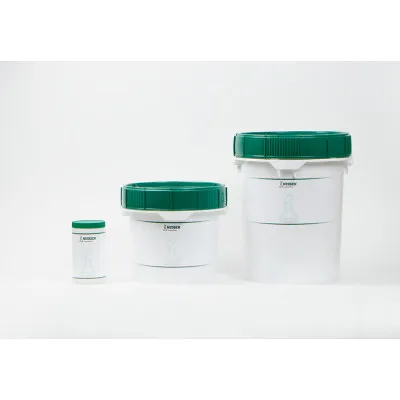
Buffered Listeria Enrichment Broth - 500 g

£81.07 vat excl.

£97.28 vat Inc.

Availability: Out of stock
Buffered Listeria Enrichment Broth is used for selective enrichment of Listeria spp and is not intended for use in the diagnosis of disease or other conditions in humans. Listeria monocytogenes, described first in 1926 by Murray, Webb, and Swann, is an extensive problem in public health and food industries. Evidence from outbreaks of listeriosis has indicated that the principle route of transmission is via consumption of foodstuffs contaminated with Listeria monocytogenes. Implicated vehicles of transmission include turkey, frankfurters, coleslaw, pasteurized milk, Mexican style cheese, and pate. Listeria spp. are ubiquitous in nature, being present in a wide range of unprocessed foods as well as in soil, sewage, and river water. Buffered Listeria Enrichment Broth, a modification of the formula by Lovett et al., was developed after subsequent work concluded that enrichment properties can be improved by increasing the buffering capacity of the medium with the addition of Disodium Phosphate. Listeria spp. grow over a pH range of 5.0 - 9.6, and survive in food products with pH levels outside these parameters. Listeria spp. are microaerophilic, Gram-positive, asporogenous, non-encapsulated, non-branching, short, motile rods. Motility is pronounced at 20°C. Identification of Listeria is based on successful isolation of the organism, biochemical characterization, and serological confirmation.

Letheen Broth Base Modified without Tween - 500 g

£81.57 vat excl.

£97.88 vat Inc.

Availability: Out of stock
Letheen Broth Base Modified without Tween is used with Polysorbate 80 for the recovery of microorganisms from cosmetics in a laboratory setting. Letheen Broth Base Modified without Tween is not intended for use in the diagnosis of disease or other conditions in humans. In 1948, Weber and Black described the value of a highly nutritional solid medium containing neutralizing agents for quaternary ammonium compounds in sanitisers. The addition of Lecithin and Polysorbate 80 to Tryptone Glucose Extract (TGE) Agar resulted in a medium that effectively neutralizes quaternary ammonium compounds in testing of germicidal activity. Total neutralization of disinfectants is critical. Disinfectant residues can result in a false negative (no-growth) test. Letheen Broth Base Modified without Tween is based on the formula described in FDA Bacteriological Analytical Manual, and a modification of Letheen Broth Base. Letheen Broth Base Modified is recommended by the FDA for use in the microbiological testing of cosmetics.
Availability: Out of stock

Benefits

  • Results in 24 Hours.
  • Available in packs of 50 or 500 plates
  • Plates are sample-ready, eliminating the time-consuming, cumbersome step of preparing media/agar dishes.
  • This plate has been awarded Official Methods of Analysis (OMA) #2003.07, #2003.8 and #2003.11 and NF VALIDATION certificates: 3M-01/9-04/03 A and 3M-01/9-04/03 B by AFNOR Certification.
  • Neogen® Petrifilm™ Plates use 75% less energy, use 79% less water, produce 75% less greenhouse gases and result in 66% less waste (by weight and volume) compared to competitive agar methods.
  • *Free delivery only available to UK Mainland addresses
Milk Plate Count Agar

£99.00 vat excl.

£118.80 vat Inc.

Availability: Out of stock
Milk Plate Count Agar is used for the isolation and enumeration of microorganisms in milk and dairy products and is not intended for use in the diagnosis of disease or other conditions in humans. A medium recommended by the British Standards Institute and the International Organization for Standardization for the enumeration of viable bacteria in milk and other dairy products.